Industrial Rubber Materials
Rubber Materials for Seals and Industrial Components
QWS provides rubber material options for sealing components, gaskets, O-rings, oil seals, rubber pads and other industrial applications.
Material selection can be discussed according to temperature, chemicals, oils, weather exposure, mechanical requirements and the intended application.
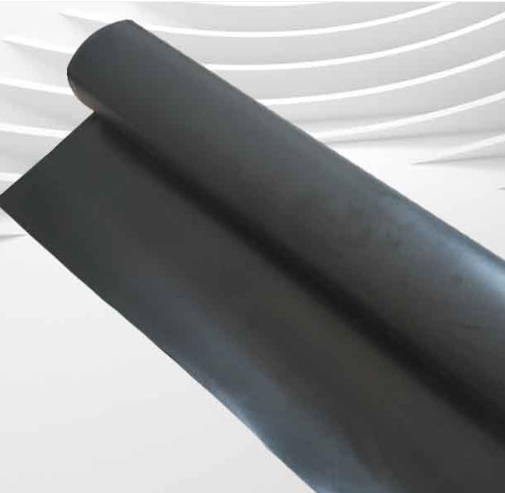
Choosing the Right Rubber Material
Rubber material selection is an important part of designing a sealing component or industrial rubber product. Different rubber compounds have different resistance to heat, oil, chemicals, weather and mechanical stress.
The material that works well in one application may not be suitable for another. Operating temperature, contact media, pressure, movement and environmental exposure should therefore be considered before production.
QWS can discuss material requirements together with the product dimensions, application conditions and required sealing function.
Common Rubber Materials for Industrial Applications
Nitrile Rubber (NBR)
Commonly considered for applications involving oils, fuels and general industrial sealing requirements.
Silicone Rubber (VMQ)
Often selected for applications requiring good temperature performance and flexibility.
EPDM Rubber
Commonly used where resistance to weather, water and outdoor conditions is important.
Fluoroelastomer (FKM)
Used in applications where higher temperature and chemical resistance may be required.
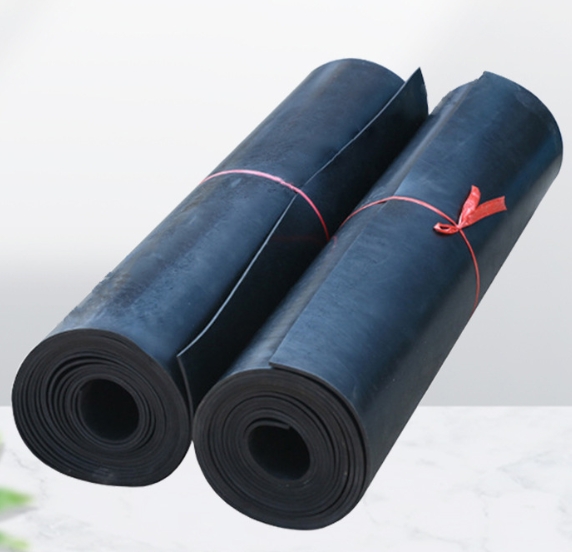
Rubber Sheeting and Industrial Rubber Products
Rubber materials can be supplied in different product forms depending on the intended application. Rubber sheeting is one option for applications requiring flexible, protective, cushioning or sealing material.
Surface texture, thickness, dimensions and material properties can vary according to the intended use.
Rubber sheets and related materials may be used for gaskets, protective pads, insulation, vibration control and other industrial components.
Fluoroelastomer Rubber for Demanding Applications
Fluoroelastomer, commonly known as FKM or FPM, can be considered for applications where resistance to elevated temperatures, oils, fuels or certain chemicals is important.
It is commonly used in demanding sealing applications such as oil seals, O-rings and other industrial sealing components.
The appropriate material should always be selected according to the actual operating conditions of the product.
Factors to Consider When Selecting Rubber Materials
Temperature
Consider the minimum and maximum temperatures the rubber component will experience during operation.
Chemical Exposure
Contact with oils, fuels, chemicals or other fluids may affect material selection.
Weather
Outdoor applications may require resistance to sunlight, moisture, ozone and weather exposure.
Mechanical Conditions
Compression, movement, pressure and repeated mechanical loading should be considered for the application.
Rubber Materials for Sealing Components
Different rubber materials can be used in different types of sealing products. Material selection should match both the product design and the operating environment.
O-Rings
Rubber materials for static and dynamic O-ring sealing applications.
Oil Seals
Materials selected according to shaft speed, temperature, lubricant and operating environment.
Rubber Gaskets
Material options for gaskets, pads and other sealing components.
Custom Rubber Material Requirements
For custom rubber products, material selection can be discussed together with the product drawing, sample and application requirements.
Useful information may include operating temperature, contact fluids, pressure, movement, environmental exposure and the expected service conditions.
View Custom Rubber Seals →Rubber Sealing Products
Rubber Seals | Custom Rubber Seals | Rubber O-Rings | Rubber Oil Seals | Rubber Gaskets
Frequently Asked Questions
What are the most common rubber materials?
Common industrial rubber materials include NBR, EPDM, silicone rubber and fluoroelastomer. The appropriate material depends on the application and operating conditions.
How do I choose the right rubber material?
Consider temperature, chemical or oil exposure, pressure, movement, weather conditions and the required mechanical properties of the finished component.
Can you recommend a rubber material for my application?
Material requirements can be discussed based on the product, operating environment and technical specifications. A drawing, sample or detailed application information can be useful.
Need Help Choosing a Rubber Material?
Send us your product requirements, drawing, sample or application conditions to discuss a suitable rubber material.
Contact QWS →